Every species lost is a loss to Earth's biodiversity
Understanding them is the first step to protecting them
Ailuropoda melanoleuca
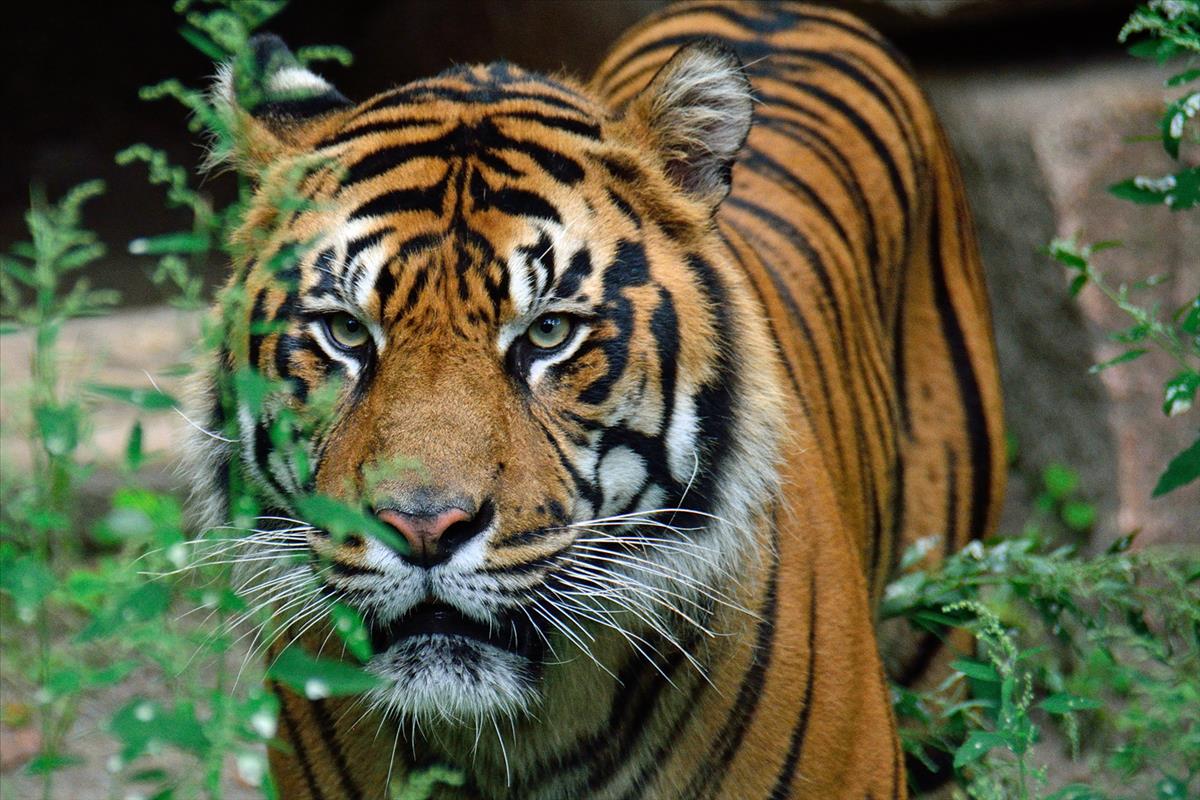
Panthera tigris amoyensis
Habitat: Southern China
Tiger subspecies endemic to China, functionally extinct in the wild, representing a major challenge in endangered species conservation.
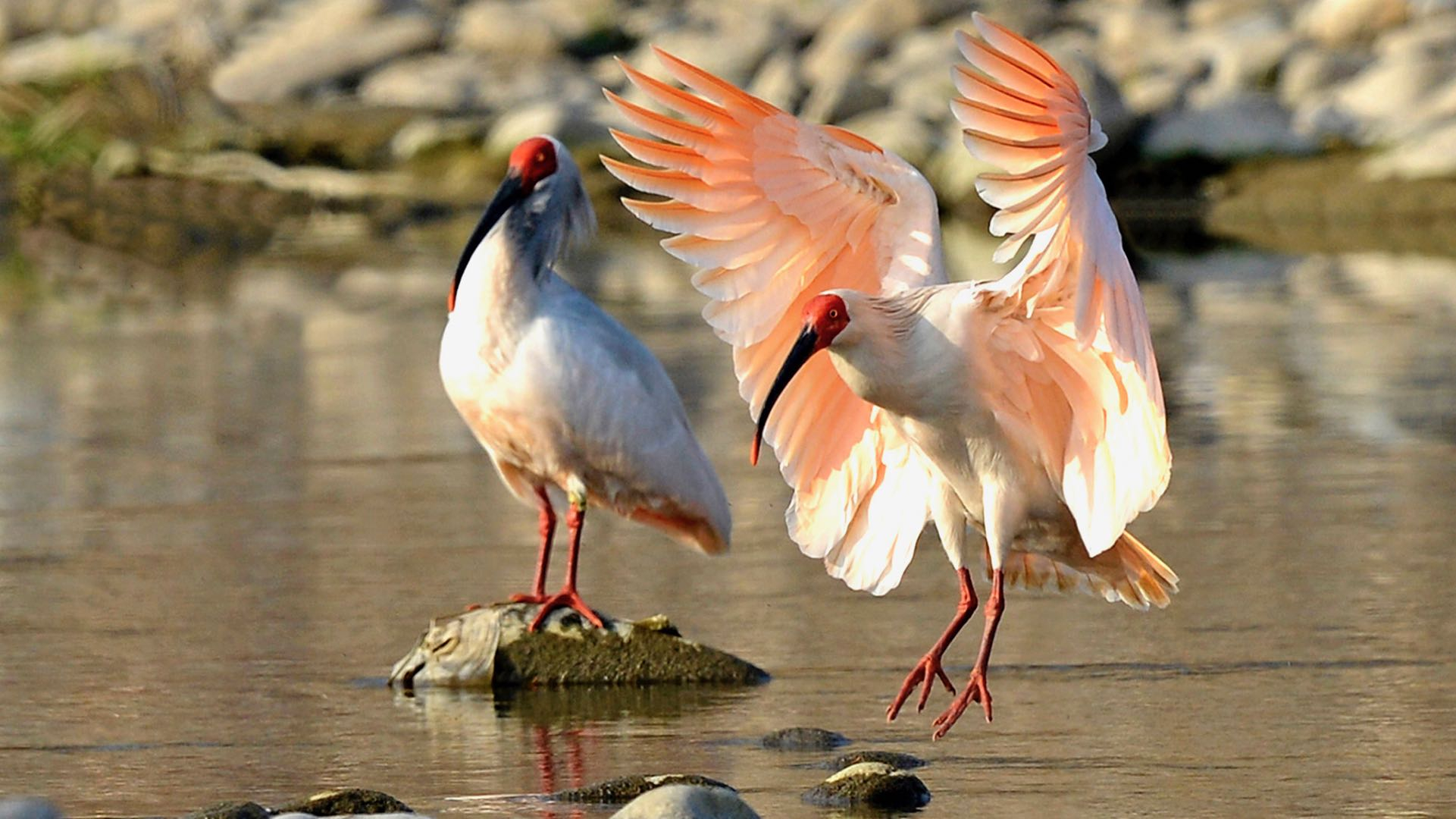
Nipponia nippon
Habitat: Shaanxi, Henan and other areas in China
Known as the "Oriental Gem", its population has recovered to several thousand through conservation efforts, making it a typical success story.
Neophocaena asiaeorientalis
Habitat: Middle and lower reaches of the Yangtze River
Freshwater porpoise endemic to the Yangtze, known as the "Panda of the Water", facing severe survival threats and in urgent need of aquatic ecosystem improvement.
Panthera uncia
Habitat: Qinghai-Tibet Plateau and surrounding high mountains
Top predator in high-altitude regions, adapted to extreme environments, known as the "King of the Snow Mountains".
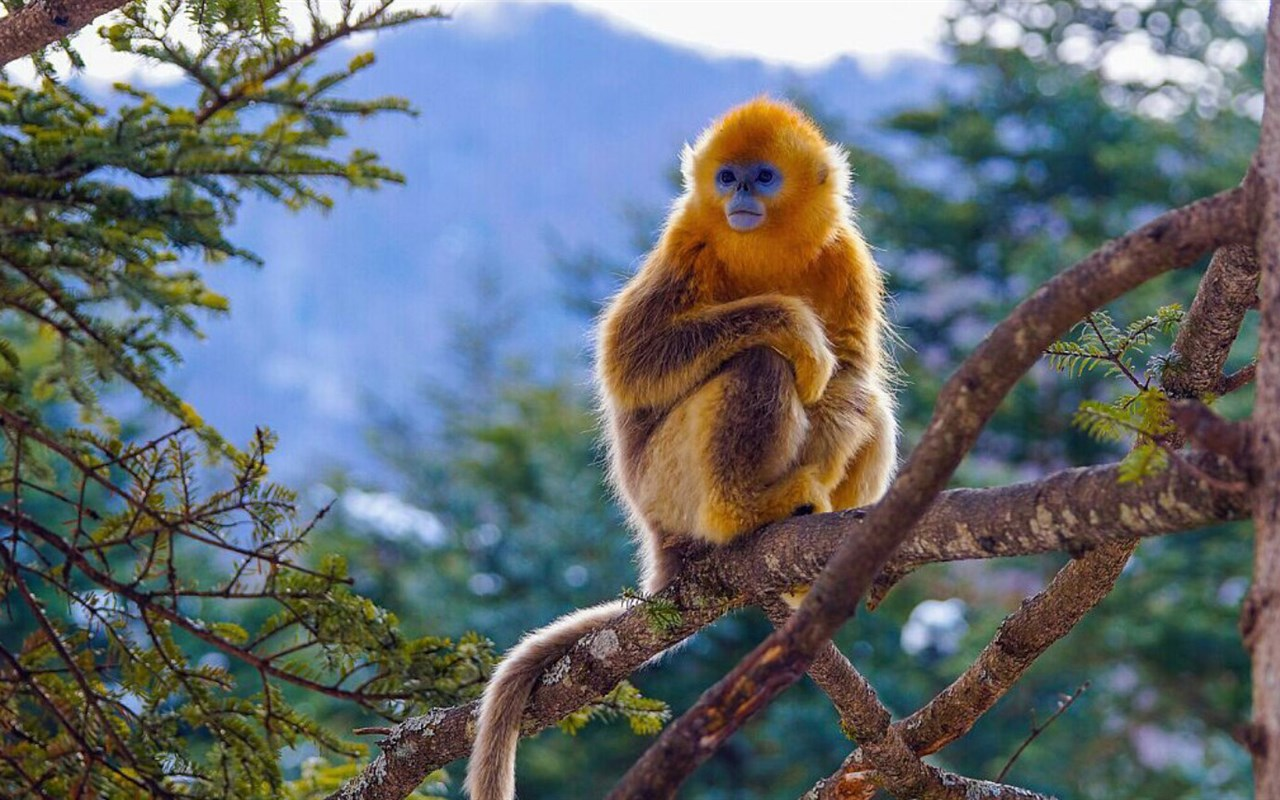
Rhinopithecus roxellana
Habitat: Sichuan, Shaanxi, Hubei, Gansu
Famous for its beautiful golden fur, lives in high-altitude forests and is a typical arboreal animal.
Manis pentadactyla
Habitat: Forests in Southern China
The world's only scaly mammal, critically endangered due to illegal poaching and habitat loss.
Every species has a unique role in the ecosystem. Losing one species can trigger chain reactions, affecting the stability of the entire ecosystem.
Rich biodiversity is a reflection of Earth's vitality and the foundation of human survival and development. Protecting biodiversity means protecting humanity's future.
As the dominant species on Earth, humans have a responsibility to protect the survival rights of other species and maintain the beautiful vision of harmonious coexistence between humans and nature.
Many endangered animals may contain genes and compounds of significant value for treating human diseases. Protecting them means protecting future medical resources.
The survival status of rare animals serves as a barometer of environmental health. Protecting them is essentially improving and safeguarding our own living environment.
Endangered animals provide us with unique research opportunities, helping us understand life evolution, adaptation mechanisms, and ecosystem operation patterns.
Everyone can contribute to protecting endangered animals
Learn about endangered animals, understand their survival status, and promote conservation concepts to those around you.
Participate in or fund professional animal conservation organizations and support their research and conservation work.
Don't buy or use wildlife products, and report illegal wildlife trading activities.
Reduce damage to natural environments, support ecological restoration projects, and provide good living spaces for animals.
Save energy and reduce emissions, minimize pollution, start with small things in daily life, and reduce impact on the natural environment.
Join volunteer activities related to wildlife conservation and personally participate in conservation work.
Let's pledge together to contribute our efforts to protecting endangered animals!